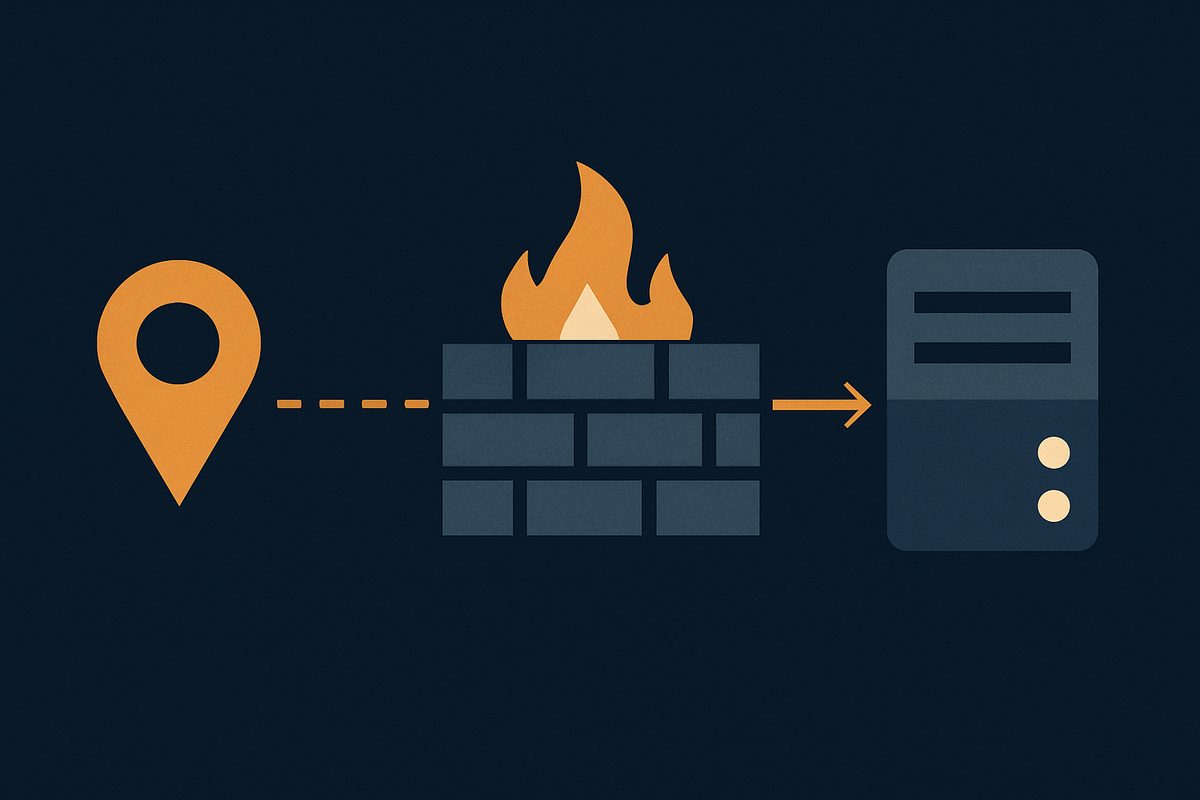
A static IP is a public internet address that stays permanently assigned to your connection instead of changing when your router reconnects, and integrators are routinely told it must be registered and whitelisted before FBR digital invoicing submissions are accepted. It is a product your internet service provider sells, not something FBR issues, and it is not included with a normal broadband plan.
What "static IP" actually means here
A normal home or small business internet connection is usually dynamic, your router gets handed a different public IP address from time to time, sometimes every time it reconnects. A static IP is the opposite: an address that stays the same permanently, assigned specifically to your connection by your internet provider. FBR and PRAL require your submissions to come from one of these fixed addresses, not a rotating one.
Why FBR insists on it
Before your system can post a single invoice, that fixed address has to be registered and whitelisted on FBR's side. This is a security control as much as a technical one: FBR wants to know in advance exactly which network a given business's traffic will come from, rather than accepting API calls from anywhere on the internet. Once whitelisted, requests from that address are trusted as belonging to your registered integration. Requests from anywhere else are not.
Where to get one
A static IP is a product your internet service provider sells, it is not something FBR issues you, and it is not automatically included with a normal broadband or fibre connection. In Pakistan this typically means a business or dedicated internet plan through a provider like PTCL, Storm Fiber, Transworld, or Fiberlink, rather than a standard home package. If you are not sure whether your current connection already has one, that is the first question to put to your ISP, some business-grade plans include a static IP by default, others require requesting it as an add-on.
Where this fits in the integration timeline
Get this sorted early, before sandbox testing rather than after. The static IP has to be whitelisted with FBR/PRAL as part of setting up your integration, and that whitelisting is a step with its own turnaround time. Businesses that leave it until they are ready to go live often find it is the one piece still pending after everything else, the invoice data, the product catalogue, the tax mapping, is already working.
What happens if your IP changes
If your connection loses its static assignment, gets migrated to a new address by your ISP, or you switch office locations and providers, submissions will start failing even though nothing about your invoicing setup itself has changed. This is a common cause of a previously working integration suddenly breaking, and the fix is administrative rather than technical: re-register the new address with FBR/PRAL and wait for it to be whitelisted again.
One less thing to configure yourself
Invoices go out from Axiom Square's own servers, so you are not the one buying a static IP or managing a connection to FBR. Your business still needs its own FBR credentials, but the networking side is ours to handle.
See Axiom SquareGeneral information, not tax advice. Confirm current integration requirements with FBR/PRAL or your tax consultant.
Common questions
Do you need a static IP for FBR digital invoicing?
In practice, yes. Integrators are routinely told the address has to be registered and whitelisted before submissions are accepted. A static IP is a public internet address that stays permanently assigned to your connection instead of changing when your router reconnects.
Does FBR issue the static IP?
No. It is a product your internet service provider sells, not something FBR issues you, and it is not automatically included with a normal broadband or fibre connection.
Why does FBR insist on a static IP?
Before your system can post a single invoice, that fixed address has to be registered and whitelisted on FBR's side. It is a security control as much as a technical one, because FBR wants to know in advance where submissions will be coming from.
When should you arrange the static IP?
Early, before sandbox testing rather than after. The whitelisting with FBR and PRAL is a step with its own lead time, so leaving it late stalls the whole integration.
What happens if your IP changes?
Submissions start failing even though nothing about your software changed. That happens if your connection loses its static assignment, your ISP migrates you to a new address, or you switch office location and provider.